
Clinical Trial Operations, Investigational Product Management, And The Foundation For Effective Risk Management
By Arkadiusz (Eric) Kubik, Ph.D., Clinical Research and Regulatory Science
There is sometimes a misconception that because the PI of a clinical trial is a licensed physician and ultimately responsible for the conduct of the study, the training and qualifications of other delegated research team members can be overlooked. Another misconception is that having current GCP training alone is sufficient preparation to perform clinical research activities.
While GCP training is an essential foundation and regulatory expectation, it represents only one component of clinical research competency. Successful clinical trials require a broader understanding of medical science, research methodology, protocol requirements, data integrity principles, regulatory expectations, and how operational decisions can impact patient safety and the reliability of clinical evidence.
The Operational Demands Of Investigational Product Management
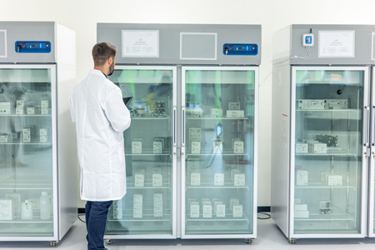
This concept is particularly important in clinical trial supply and investigational product (IP) management. Ensuring that the correct investigational product reaches the correct patient, at the correct time, under appropriate storage and handling conditions, is not simply a logistical responsibility — it is a critical component of clinical trial quality. Proper IP accountability, documentation, temperature control, dispensing procedures, and reconciliation require trained professionals who understand both the operational requirements and the scientific importance behind these activities.
Beyond appropriate training, continued improvements in investigational product management processes can further reduce operational risk. For example, enhanced medication container labeling strategies, including clear alignment between investigational product labels and patient-specific study documentation, can help minimize dispensing and accountability errors. Additionally, the use of technologies such as barcode scanning systems, which are already implemented in some clinical trials, provides an additional layer of verification by reducing opportunities for human error. These quality-focused approaches help protect participants, maintain data integrity, and prevent costly deviations that may impact study timelines and pharmaceutical development investments.

Training And Risk Management
In some cases, organizations may view minimizing training requirements as a way to reduce operational costs. However, insufficient training can introduce significant risks to study participants, trial timelines, and data integrity. Every individual involved in clinical research activities, including those managing investigational products, must have appropriate qualifications, experience, and role-specific training to ensure compliance with the protocol and regulatory expectations.
The importance of these processes extends beyond the completion of a clinical trial. Regulatory authorities, including the U.S. FDA, rely on the quality, accuracy, and consistency of clinical evidence when evaluating whether the benefits of a medical product outweigh its potential risks. In certain circumstances, the FDA may require additional risk management measures, such as a Risk Evaluation and Mitigation Strategy (REMS), when a product’s known or potential risks require additional controls beyond standard labeling.
REMS is not a substitute for high-quality clinical trial execution. Rather, it reflects the importance of understanding a product’s benefit-risk profile and ensuring appropriate safeguards are implemented when necessary. The foundation for these decisions begins during clinical development, where accurate data collection, appropriate safety reporting, protocol compliance, and reliable investigational product management are essential.
Building The Foundation For Future Clinical Trials
With a formal background in medical sciences research, I have developed an appreciation that clinical research competency extends far beyond completing required training modules. Understanding the scientific rationale behind a study, interpreting clinical data, recognizing methodological limitations, and appreciating the consequences of operational decisions require a deeper foundation of knowledge and experience.
As clinical trials continue to evolve with increasingly complex therapies, medical devices, decentralized approaches, and emerging technologies such as artificial intelligence, maintaining a highly trained and scientifically informed workforce will remain essential. Technology can enhance efficiency, but it must be guided by professionals who understand the clinical, scientific, and regulatory environment in which these innovations are developed.
Ultimately, strong clinical trial operations and effective investigational product management are not only about compliance — they are about protecting participants, strengthening evidence generation, and supporting the responsible advancement of medical innovation.
About The Author:
 Arkadiusz (Eric) Kubik is a clinical research and regulatory science professional with a Ph.D. in medical sciences and extensive experience supporting FDA- and Health Canada-regulated clinical trials. He has contributed to more than 50 Phase I–IV studies involving pharmaceuticals and medical devices, with expertise in clinical operations, regulatory compliance, patient safety, and evidence generation. His work integrates biomedical research, toxicology, biomaterials science, and regulatory strategy to advance safe and effective healthcare innovations. Kubik has collaborated with academic institutions, pharmaceutical sponsors, and leading research organizations. He has also shared his expertise with the public through media engagement, including a radio appearance in Chicago, Illinois, discussing healthcare and scientific topics.