
Clinical Trial Supply Lessons From Ebola Outbreak Response
By Richard Andrew, senior healthcare supply chain and operations executive
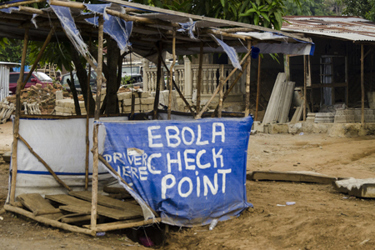
The spread and speed of the current Ebola outbreak have caused clinical supply chain concepts to move from the theoretical to the immediate real world. It also requires any supply program to evolve to include the safe handling of material as a basic requirement of the logistical program.
Contributing to the speed and severity of the most current outbreak of Ebola are a number of factors, not least of which is the reduction of the resupply services and procurement financial resources previously in place to rapidly address such an epidemic. With those resources no longer available or prepositioned, the supply support systems needed for the containment of this Ebola outbreak will need to be rapidly recreated, assembled, and delivered.
Complicating this issue further is the current absence of a vaccine for this particular strain of Ebola. As a result, containment efforts will need to include both material support for the containment/treatment site and the development of a vaccine almost concurrently.
For clinical trial supply teams, this creates a particularly challenging environment. Vaccine and treatment trials may need to be initiated in regions where outbreak conditions, site readiness, patient availability, and transportation infrastructure can change rapidly. Supply planning therefore cannot rely solely on traditional enrollment assumptions. Inventory strategies must account for shifts in case concentration, new site activations, potential border restrictions, and the need to maintain continuous availability of investigational product without creating excessive expiry risk.
For this effort to succeed, the current environment must establish a system of material distribution design that prioritizes continuity and flexibility over cost.
The basic components of this system start with the generally applicable supply chain factors, including:
1. Forecasting And Buffer Stock Management
- Historical trial data, outbreak patterns, and local health system inputs
- Seasonal or event-based demand spikes
- Reserves of essential items
- Restocking triggers based on actual consumption rates and lead times
In an Ebola vaccine or treatment trial, forecasting must also account for changes in enrollment rates, screen failure levels, site activation timelines, and the potential need to open new locations as the outbreak shifts. Clinical supply groups must continually compare actual subject demand against projected inventory consumption to determine whether depot replenishments, additional packaging campaigns, or emergency shipments are required.
2. Depot And Transportation Optimization
- Well-equipped depots near trial sites to reduce last-mile delivery risks
- Reliable routes with multiple transport modes to mitigate single-point failures
- Integrated refrigerated transport and monitoring systems to maintain integrity during transport
The location of regional depots becomes a critical decision in outbreak-driven trials. Depots must provide sufficient inventory coverage for active sites while also maintaining the flexibility to support new locations as the disease spreads. Temperature-controlled shipments, real-time shipment visibility, and predefined contingency routes can help reduce the risk of interruptions caused by infrastructure limitations or government restrictions on movement.
3. On-Site Storage Improvements
- Refrigerated or climate-controlled storage units to protect trial vaccines and biological samples
- Barcode or RFID systems for real-time tracking of stock levels and expiry dates
- Storage units secured against theft, environmental damage, and unauthorized access
Site-level inventory control is equally important. Investigational products must be stored, dispensed, reconciled, and documented in accordance with protocol and regulatory requirements. In locations with limited infrastructure, supply teams may need to implement additional temperature monitoring, accountability processes, and inventory reviews to ensure product quality is maintained throughout the trial.
4. Staff Training
- Cross-trained staff in inventory management, emergency handling, and basic logistics (to reduce dependency on external support)
5. Financial And Performance Tracking
- Reserve contingency funds for supply chain disruptions
- Monitors for on-time delivery rates, stockout frequency, and cost per unit
- Audits and lessons learned sessions to refine processes
6. Governance Oversight
- Involvement of local leaders in supply planning to ensure cultural and logistical appropriateness
- Scaling of design to enable systems to be increased or decreased quickly
- Linking of data with public health surveillance to improve coordination

Governance structures should also include coordination between clinical operations, clinical supply, quality, and local health authorities. As outbreak conditions evolve, decisions related to inventory redeployment, site resupply, product expiry management, and patient access often require rapid cross-functional review to maintain both study continuity and regulatory compliance.
Due to the state of relative unpreparedness, a program similar to what was called Operation Warp Speed (OWS) during Covid will need to be implemented. OWS was essentially an accelerated program for developing, manufacturing, and distributing a vaccine as soon as possible, perhaps even before trial completion.
OWS worked through a combination of scientific innovation, government funding, and logistical coordination. The organizations providing this support worked together to address an urgent and immediate need. The success of this partnership depended upon governments assuming a lion’s share of the financial risks and committing to purchasing the resulting vaccines as soon as safety and efficacy standards were established.
However, the current Ebola situation now involves an active pandemic environment. So, along with a standard supply support requirement, additional actions to ensure supply system efficacy will be required. These additional actions will focus on further supporting the response efforts by providing strategic and technical assistance to the agencies attempting to contain the spread of the illness.
Additional Clinical Supply Requirements During An Active Outbreak
Examples of the additional efforts required of the supporting supply program within a contagious environment include:
- material tracking and contact tracing reporting
- protocols for the handling and storage of material and samples
- general infection prevention and control (IPC) procedures
- awareness of local and regional border control restrictions
- coordination of containment efforts with public health partners
- risk communication and community engagement regarding conditions.
For clinical trial supply organizations, these factors directly impact the movement of investigational products and clinical samples. Border closures, quarantine requirements, or transportation disruptions can affect both inbound shipments and the return of biological samples to central laboratories. Supply teams must therefore develop contingency plans that preserve chain of custody, maintain temperature control, and ensure timely delivery of materials needed to support patient treatment and data collection.
Due to these additional needs, clinical work within an active contagious site involves an extra layer of complexity. Primary healthcare clinics (PHCs) operating within this active contagious environment must now perform double duty, providing not just basic healthcare treatment but keeping patients alive as a key factor in maintaining the validity of the clinical trial results.
To address this increased clinical complexity, the supporting supply programs must also evolve. They will continue the planning and provision of the standard logistical components needed for any regular supply program. However, these components will then need to evolve or expand. These changes will include the implementation of infection prevention steps and the management of not only inbound but also outbound potentially contaminated material. These expanded steps are intended to ensure the establishment of the safeguards necessary to provide for both the safe handling and eventual disposal of all material provided.
This responsibility extends beyond the delivery of investigational product. Clinical supply networks must also support the return, tracking, storage, and disposal of potentially contaminated materials, unused inventory, and clinical samples. Clear procedures for accountability, reconciliation, and destruction help reduce regulatory risk while supporting the safe operation of the trial.
Finally, any supply program supporting PHCs in an active contagious area must become fluent with and adhere to all government regulations or requirements regarding material handling. This regulatory awareness includes particular attention to all regulations imposed by government entities relative to the prevention or spread of contaminants. This is especially important not for just patients but also as it relates to potential contamination of staff in the performance of their work, whether that is providing routine medical care or in vaccine development.
About The Author:
 Richard John Andrew is a senior healthcare supply chain and operations executive with over 30 years of leadership across integrated delivery networks, Fortune 500 organizations, government systems, and international markets. He specializes in designing and scaling enterprise supply chain models that align clinical, financial, and operational priorities.