
FDA Transparency Roadmap Could Give Clinical Supply Teams More Visibility
By Elizabeth Urbanek, Executive Editor
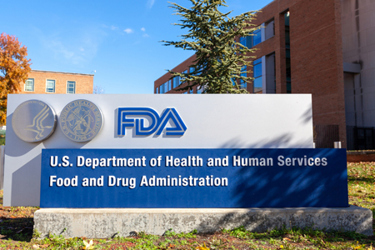
The U.S. Food and Drug Administration wants to make more of its regulatory decision-making visible to sponsors and the public, including information that could give clinical development teams a clearer view of potential risks.
The agency’s new Transparency Roadmap lays out work completed in fiscal year 2026 and priorities for fiscal year 2027, including complete response letters (CRLs), more information about application lifecycles and clinical studies, and greater access to compliance and inspection records.
The additional information could provide another way to assess regulatory risk before it reaches the operational side of a program.
Why Clinical Supply Should Care
The implications can reach the supply chain quickly. By the time a regulatory issue surfaces, clinical material may already be in production, packaged and labeled, or moving through the distribution network. Inventory may be sitting at a depot or clinical site, while additional material is scheduled for manufacture or shipment.
A CRL does not necessarily leave that inventory stranded. But it can force sponsors to revisit decisions that were made around a different development timeline. A regulatory setback can change the assumptions behind a supply plan, particularly when manufacturing and distribution decisions have been made months in advance.
FDA’s stated goal is not to reduce clinical supply waste specifically. It says greater visibility into previous regulatory decisions can help sponsors design more efficient development programs, avoid common pitfalls, and use limited resources more effectively.
More Inspection Data Could Add Visibility Into Supply Risk
FDA plans to proactively publish redacted Form 483s and additional establishment inspection reports where appropriate. The agency specifically points to the globalized supply chain as a reason for making more inspection information available. Foreign regulatory authorities routinely request FDA inspection records when making their own market access decisions.
For a sponsor working with multiple manufacturing, testing and packaging sites, that information could provide another view of potential risk within the supply network.
It would not replace supplier qualification or quality oversight. But inspection findings can provide context about conditions at a facility, particularly when a sponsor is assessing a site that could play a role in manufacturing or supporting clinical material.
That also raises a broader planning question because information often sits with one part of an organization while supply decisions are being made somewhere else. The more information that becomes available about regulatory decisions and manufacturing compliance, the more opportunity there may be to bring those pieces together.
FDA is also encouraging sponsors to disclose the existence of an Investigational New Drug application when it is filed and plans to increase post-approval scientific data disclosures, including Clinical Study Reports for approved applications with appropriate redactions.
Not all of those changes have a direct clinical supply consequence. But together, they point toward a regulatory environment in which more information about a development program may become available earlier and to a wider group of stakeholders.
The Supply Question
As more regulatory decisions, application information and inspection findings become public, will clinical supply teams have more opportunities to spot risks before they show up as changes to manufacturing, inventory or distribution plans?
Related CSL Editorial(s)
- What Happens When The Clinical Forecast Changes?
- Why Clinical Supply Problems Rarely Start In Clinical Supply
- Clinical Trial Supply Failures Start Before First Patient In
About The Author:
 Elizabeth Urbanek is the Executive Editor for Clinical Supply Leader, where she works with clinical trial supply and logistics professionals across pharma and biotech to bring real-world perspectives, operational challenges, trends, scientific insights and regulatory strategy to the field.
Before joining life sciences media, Elizabeth spent more than 15 years in broadcast, digital and live-event storytelling, helping highly technical teams communicate complex ideas with clarity and impact. She brings that same approach to clinical supply, creating editorial space for experts to share what is happening across clinical trial operations.
Elizabeth is passionate about connecting people and ideas, identifying emerging themes and showcasing work that can move the clinical supply field forward.