
India Proposes 10 New Drug Import Gateways, Including Inland Depots And Noida Airport
By Elizabeth Urbanek, Executive Editor
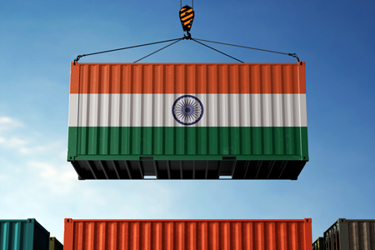
India's Ministry of Health and Family Welfare has proposed adding 10 locations to the list of authorized entry points through which drugs, medical devices, and cosmetics can be imported into the country. The draft would let importers clear consignments at inland sites closer to manufacturing facilities, warehouses, and distribution centers.
Announced Nov. 3, the proposal amends Rule 43A of the Drugs Rules, 1945, which lists the ports, airports, railway stations, road crossings, and other points through which drugs may legally enter India. The additions include eight inland container depots (ICDs): Sonipat, Piyala, and Harsaru in Haryana; Dadri in Uttar Pradesh; Gandhidham/Mundra in Gujarat; Sanath Nagar and Thimmapur in Hyderabad; and Whitefield in Bengaluru. The draft also adds the Bommasandra special economic zone (SEZ) in Karnataka and Noida International Airport, which would handle drug imports by air.
The ministry said the expanded network should shorten inland transportation, lower logistics costs, and reduce delays for imported consignments. The changes remain at the proposal stage, and the ministry is accepting objections and suggestions.
The proposal follows an earlier expansion. In July, the ministry notified Navi Mumbai Airport as an authorized drug import port, bringing the total number of notified entry points to 42. That amendment was first published as a draft in January, about five months before it took effect.
The announcement does not address clinical trial imports specifically, and it does not say when the new gateways could begin handling drug imports if the amendment is finalized.
What This Means For Clinical Supply
For clinical supply teams, the port of entry is more than a shipping detail. Investigational medicinal products (IMPs) imported into India are subject to the same gateway rules as other drug imports, and Central Drugs Standard Control Organization (CDSCO) port offices review consignments before customs releases them. Under CDSCO's process, importers file a bill of entry through the customs electronic gateway, and the consignment is referred to a CDSCO port office for a no-objection certificate. Officers can inspect labeling, draw samples, or send product for testing before recommending release.
That process ties logistics and regulatory review to a specific location. A gateway closer to a sponsor's depot could shorten the final leg between customs release and temperature-controlled storage, particularly for studies supplied through depots near Hyderabad or Bengaluru. Fewer transport legs mean fewer handoffs, and handoffs are where temperature excursions and documentation gaps tend to occur.
The benefit depends on more than the notification. A new gateway is useful only once CDSCO port coverage, customs brokers, and couriers are ready to handle pharmaceutical consignments there. An established gateway with experienced staff may still clear temperature-sensitive IMPs more predictably than a newly authorized one.
Sponsors would also need to confirm whether existing import permissions, shipping documentation, or vendor contracts specify a port of entry. If they do, using a new gateway could require updates before any routing changes.
The proposal provides no evidence of shorter clearance times, lower costs, or fewer delays for clinical trial shipments. Those outcomes would need to be assessed once the gateways are operating. Sponsors with a stake in India routing can also use the objection period to raise practical concerns with the ministry.
For sponsors running studies in India, the operational question is whether new inland clearance points can shorten the path to depots without adding uncertainty at the border.
The Supply Question
Can new inland clearance points speed IMP delivery to Indian clinical trial depots, or will regulatory and logistics gaps limit the gains?
Related Clinical Supply Leader Editorials:
- Beyond The Checklist: Auditing Clinical Supply Export Compliance
- Why Shelf Life Should Shape Global Country Activation
- Clinical Trial Supply Chains Need To Prepare For A Less Predictable World
About The Author:
 Elizabeth Urbanek is the executive editor of Clinical Supply Leader, where she works with clinical trial supply and logistics professionals across pharma and biotech to bring real-world perspectives, operational challenges, trends, scientific insights, and regulatory strategy to the field.
Before joining life sciences media, Elizabeth spent more than 15 years in broadcast, digital, and live-event storytelling, helping highly technical teams communicate complex ideas with clarity and impact. She brings that same approach to clinical supply, creating editorial space for experts to share what is happening across clinical trial operations.
Elizabeth is passionate about connecting people and ideas, identifying emerging themes, and showcasing work that can move the clinical supply field forward.