
Integrated Clinical Development & Supply: Breaking Down The Early Development Journey Of A Small Molecule
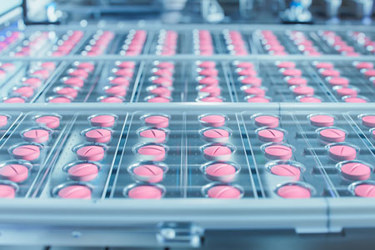
Integrated development solutions offer sponsor companies a strategic approach to improving the efficiency and continuity of drug development by aligning multiple disciplines — from early formulation and process development through clinical manufacturing — within a coordinated framework. By streamlining the transition from early development activities to clinical-stage execution, integrated models can reduce handoff delays, minimize rework, and accelerate readiness for first-in-human studies.
These approaches also support the reliable and timely supply of clinical trial materials. Through proactive planning, coordinated project management, and parallel processing of development activities, integrated programs help maintain study timelines, manage budgets more effectively, and reduce the operational risks that often arise when development functions are handled in isolation.
Despite these advantages, the value of integrated development is sometimes underappreciated by smaller or emerging biotechnology companies. Many early-stage innovators operate under significant financial constraints and are highly focused on achieving near-term technical or clinical milestones. As a result, they may prioritize short-term cost savings or tactical decisions over longer-term strategic efficiencies. This perspective can lead to a different assessment of risk and return compared with larger pharmaceutical organizations, which are often better positioned to invest in integrated approaches that reduce downstream delays, improve development predictability, and ultimately support faster progression of promising therapies to the clinic.
Get unlimited access to:




Enter your credentials below to log in. Not yet a member of Clinical Supply Leader? Subscribe today.