
Los Angeles And Long Beach Ports Avert Watchmen Strike With Tentative Deal, Pending Ratification
By Elizabeth Urbanek, Executive Editor
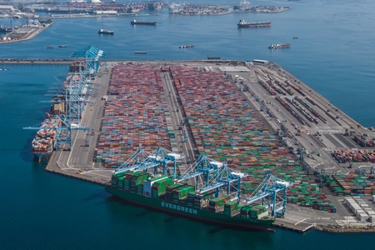
A tentative labor agreement reached Nov. 21 has removed the immediate threat of a strike at the ports of Los Angeles and Long Beach, the busiest container port complex in the U.S. The deal matters to sponsors that move clinical trial materials, comparators, and packaging components through Southern California. Clinical Supply Leader covered the stalled talks on Nov. 19.
In a statement released Nov. 21, the Pacific Maritime Association (PMA), which represents terminal operators and ocean carriers, said it had reached a tentative agreement on a new contract with International Longshore and Warehouse Union (ILWU) Local 26. The agreement covers about 250 watchmen and is subject to ratification by Local 26 members. The current contract will stay in effect while members vote.
Local 26 watchmen check credentials at terminal gates and provide security at six container terminals. According to the PMA, those terminals handle about 85% of Long Beach cargo and 33% of Los Angeles cargo. The PMA had expected other ILWU workers to honor Local 26 picket lines, which could have stopped vessel loading and discharge, truck pickups, and onward rail shipments at the affected terminals.
The dispute dates to July 2025, when the watchmen's previous contract expired. Members authorized a strike in late October, and the parties extended the deadline three times — to Nov. 4, Nov. 6, and Nov. 20 — before federally mediated talks resumed Nov. 20.
The announcement does not disclose contract terms or a date for the ratification vote, and it does not say what happens if members reject the deal. It also does not address existing congestion. PMA figures cited by Baird Maritime show rail-bound containers averaged 8.16 days of dwell time in October, up from 7.19 days in September.
What This Means For Clinical Supply
For clinical supply teams, the deal mainly affects ocean freight entering the U.S. through Southern California. That includes bulk drug product, comparators sourced in Asia, packaging and labeling components, and ancillary supplies bound for U.S. depots. Finished investigational medicinal products (IMPs) often move by air, so much of the exposure sits upstream, in materials that feed packaging and labeling campaigns.
Over the past month, teams with cargo on the water may have rerouted to other West Coast ports, shifted shipments to air, or pulled orders forward to land ahead of the deadlines. Each of those moves added cost. The tentative deal raises the question of when to unwind them.
The constraint is that the deal is not final. Until Local 26 members ratify it, the ports operate under an extended contract, and no vote date has been announced. Teams that return to standard routing now would save freight costs but would take on renewed exposure if ratification fails.
The coordination challenge spans logistics providers, depot managers, and the planners who set resupply triggers in interactive response technology (IRT) systems. If routing changed in November, lead-time assumptions in those systems may no longer match actual transit times. Shipments pulled forward could also leave depots temporarily overstocked, which matters for short-dated material.
The dwell-time data deserve as much attention as the strike headline. Rail-bound containers sitting more than eight days in October points to congestion that predates any work stoppage. For materials moving inland from these ports, planning around September's transit times could understate lead times.
The Supply Question
Should teams unwind port contingency plans now or hold them until the watchmen's deal is ratified?
Related Clinical Supply Leader Editorials:
- Los Angeles And Long Beach Port Talks Stall Ahead Of Saturday Strike Deadline
- The Bullwhip Effect Hits Clinical Supply Chains
- Clinical Trial Supply Chains Need To Prepare For A Less Predictable World
About The Editor:
 Elizabeth Urbanek is the Executive Editor for Clinical Supply Leader, where she works with clinical trial supply and logistics professionals across pharma and biotech to bring real-world perspectives, operational challenges, trends, scientific insights and regulatory strategy to the field.
Before joining life sciences media, Elizabeth spent more than 15 years in broadcast, digital and live-event storytelling, helping highly technical teams communicate complex ideas with clarity and impact. She brings that same approach to clinical supply, creating editorial space for experts to share what is happening across clinical trial operations.
Elizabeth is passionate about connecting people and ideas, identifying emerging themes and showcasing work that can move the clinical supply field forward.