
The New Reality Of Clinical Trial Logistics
By Ryan Kelly, interim CEO, Rx-360
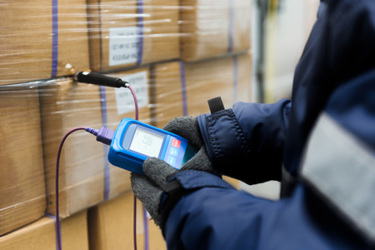
In clinical trials, the smallest shipment can carry the largest consequences.
A package the size of a shoebox may contain only a few investigational vials. Yet those vials may represent years of scientific development, millions of dollars in research investment, and a patient’s opportunity to receive a potentially life-changing therapy.
Clinical innovation is often framed around scientific breakthroughs. Less visible, but just as critical, is the infrastructure required to move those therapies safely through a complex global logistics network. As clinical supply chains shift toward smaller, higher value shipments, the operational margin for error is shrinking.
Recent collaboration across industry working groups, including discussions among Rx-360 members and supply chain leaders, suggests this shift is accelerating faster than many organizations anticipated.
Why Smaller Shipments Are Increasing
Several industry trends are driving the increase in small, high value shipments.
First, therapies themselves are changing. Many modern treatments are produced in limited quantities and require strict environmental controls. Cell and gene therapies, biologics, and targeted oncology products often require specialized packaging and tightly controlled temperature conditions.
Second, clinical trials are increasingly global. Sponsors routinely manage trials across dozens of countries, each with their own regulatory framework, import requirements, and transportation challenges.
Third, clinical trial models are evolving. Direct-to-site and direct-to-patient distribution approaches are becoming more common as decentralized trials expand. These models improve patient access but increase logistical complexity.
Industry collaboration has increasingly focused on this issue. Within several pharmaceutical supply chain forums, including discussions among Rx-360 working group participants, companies have noted a consistent pattern. Investigational products are moving in smaller quantities, often through parcel networks that were never designed for pharmaceutical handling requirements. As shipment size decreases, operational complexity and risk increase.
Taken together, these forces are transforming the way clinical supply chains operate. What once moved in pallets now often moves in parcels.
Lessons From Operation Warp Speed
One of the most visible examples of how pharmaceutical logistics can shape patient access occurred during Operation Warp Speed.
The rapid development and global distribution of COVID-19 vaccines required unprecedented coordination among manufacturers, logistics providers, governments, and technology partners. Vaccines developed by companies such as Pfizer and Moderna required strict temperature controls and real-time monitoring throughout distribution.
Specialized packaging systems, GPS-enabled monitoring, and coordinated logistics planning were used to ensure vaccines moved safely through global distribution networks. These shipments were often small relative to traditional pharmaceutical freight, yet each shipment carried enormous public health importance.
The experience demonstrated how critical logistics visibility, environmental control, and coordination are when distributing sensitive biologic products at scale. Many of the lessons learned during Operation Warp Speed are now informing how companies think about clinical and commercial distribution for advanced therapies.

Operational Pressure On Clinical Supply Teams
Managing these shipments places significant pressure on clinical supply organizations.
Unlike commercial distribution, clinical supply chains rarely have the benefit of large inventory buffers. Manufacturing timelines are tight. Trial protocols require precise delivery schedules. Any disruption can have immediate consequences for trial continuity.
A shipment delay, temperature excursion, or customs issue can quickly affect dosing schedules or site availability. These operational realities require clinical supply teams to manage logistics with the same level of precision that is applied to manufacturing and quality processes.
Preparing For Advanced Therapies
Advanced therapies such as CAR-T treatments illustrate how supply chain strategy must evolve alongside clinical innovation.
CAR-T therapies require tightly coordinated logistics in which patients’ cells are collected, transported to specialized manufacturing facilities, and returned as personalized therapies. Each shipment is tied to a specific patient and must be handled with strict chain of identity and environmental controls.
During discussions at Advanced Therapies Week, supply chain leaders emphasized that the industry is still early in the development of scalable logistics models for these therapies. Many programs begin with centralized manufacturing and distribution models; however, clinical operations teams are already thinking about how these therapies will eventually transition to broader commercial distribution. Designing logistics processes during clinical development with future commercial scale in mind is becoming an important strategic consideration.
Operational Best Practices For Advanced Therapies
Clinical supply teams can take several practical steps to reduce risk and improve oversight.
Design supply chains around risk, not just cost. Lane selection, transit time, and environmental exposure should all be evaluated when selecting routes.
Strengthen logistics partnerships. Specialized clinical logistics providers can significantly improve handling practices, regulatory navigation, and incident response.
Expand monitoring capabilities. Real-time temperature and location monitoring should be considered standard for sensitive investigational products.
Prepare for incident response. Organizations should establish clear procedures for investigating shipment anomalies and coordinating response across logistics, quality, and clinical operations teams.
Conclusion
The pharmaceutical industry is entering an era in which logistics plays an increasingly strategic role in clinical development.
As therapies become more personalized and distribution models become more decentralized, the clinical supply chain will continue to evolve. Shipments will become smaller. They will become more time sensitive. They will move through increasingly complex global networks.
Organizations that succeed will recognize an important truth. Clinical innovation does not reach patients through science alone. It reaches them through supply chains.
When the shipment is small and the stakes are high, those supply chains must be designed with the same precision as the therapies they carry.
About The Author:
 Ryan Kelly is interim CEO and senior director of supply chain security and brand protection at Rx-360, where he leads global initiatives focused on pharmaceutical supply chain integrity, risk management, and collaboration. He has over 20 years of experience in supply chain strategy, technology, and operations, including leadership roles at Chewy Pharmacy and Amazon, where he supported the launch Amazon Pharmacy. Ryan began his career at Deloitte and later worked at EY, leading large-scale transformation, serialization, and logistics initiatives across the pharmaceutical and healthcare sectors. He is an active industry leader, contributing to global discussions on clinical and commercial supply chain security.